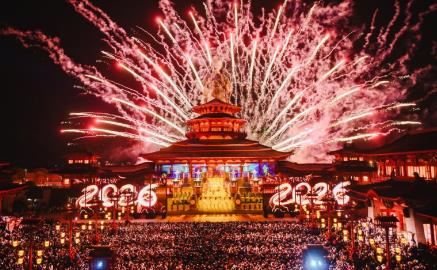
/PRZWT/ From February 16th to March 1st, the Manezhnaya Square, just a few steps away from the Kremlin and Red Square, will be transformed into a vibrant festival space to host the "Moscow Chinese New Year" festival. In the heart of the Russian capital, traditional Chinese lanterns, red and gold decorations, as well as magnificent artistic installations featuring dragons and the symbol of 2026 - the fiery horse, will light up the city. Through festival decorations, artistic performances and interactive experiences, the traditional Chinese festival culture will be presented to the citizens and tourists.
Renovation of Urban Core Public Spaces: Incorporation of Chinese Elements into Festival Landscapes
During the festival, the central area of Moscow transformed into a stage that honored and showcased Chinese culture, highlighting the high level of the Russia-China strategic partnership.
The organizers specially designed an overall space and architectural concept with symbolic meaning for the event. During the festival period, multiple festival exhibition halls, main stages, creative workshops and interactive family areas will be set up in the city's public spaces. The decoration of the exhibition halls incorporates elements of the national symbols of China and Russia. The main stage will feature performances brought by Chinese artists.
The core artistic installation of the event is a series of stylized "Moscow - Beijing" express trains, symbolizing a cultural journey connecting the two capitals and two civilizations. Visitors can tie red wish ribbons onto the installation. This ritual, derived from Chinese tradition, symbolizes good luck and prosperity, and also echoes the increasingly dense Sino-Russian air routes and personnel exchanges in reality, reflecting the new opportunities for the continuous expansion of tourism cooperation and cultural exchanges.
Multidisciplinary art and interactive projects run concurrently: showcasing the regional diversity of Chinese culture
In terms of content arrangement, the festival events aim to showcase the diversity and regional characteristics of Chinese culture. The opening ceremony will feature acrobatic and martial arts demonstrations by performers from Beijing, highlighting the combination of strength, skill and aesthetics in traditional Chinese performing arts; an art troupe from Guangdong Province will perform the traditional "yingge" dance, showcasing the cultural expression that has persisted for hundreds of years in the southern region; representatives from Hainan Province will present Li ethnic dance, using rhythmic movement language to demonstrate the vitality and identity of ethnic culture.
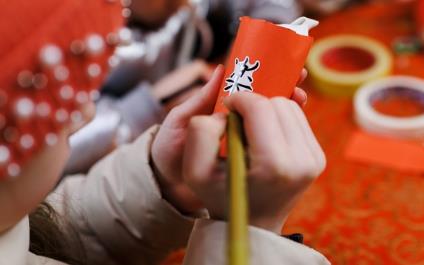
In addition to the stage performances, the event also offers a number of interactive experience programs for the public. Among them, the immersive drama "The Mystery of the Lunar New Year" will present the content in an interactive manner, guiding the audience to understand the cultural background and historical evolution of Chinese New Year customs. Participants can embark on a cultural journey spanning the traditional Chinese culture throughout history together with the actors. The "Traditional China" themed creative workshop is open to families and teenagers. The content includes the creation experience of shadow play "Tianzhuo Story", traditional drum making, and hands-on activities for festival decorations, enabling participants to deepen their understanding of Chinese traditional culture through practice.
The humanistic exchange practice of the two cities: Festivals as a platform for cultural dialogue
"The Moscow Chinese New Year" is not only a city-level cultural event, but also an important practice of cultural exchanges between China and Russia. This event coincides with the "Russian-Chinese Cross-Education Year" from 2026 to 2027, reflecting the continuous advancement of cooperation in the fields of culture, education and youth exchanges between the two sides.
During the festival period, both the citizens of Moscow and international tourists will have the opportunity to come into contact with and understand the cultural connotations of the Chinese Lunar New Year in public spaces. For tourists from China, they will have the chance to celebrate traditional festivals in the Russian capital while retaining the atmosphere of also experiencing local culture. In winter, Moscow boasts historical buildings, festive lights, markets, theaters, museums, and a rich array of activities. During the festival, the central streets of the city become a photo-worthy location that combines Eastern aesthetics with European urban landscapes. Holding the festival in the core of the capital demonstrates Russia's open attitude towards Chinese guests and its commitment to further strengthening humanitarian ties.
At the same time, Beijing will also host the celebration of the Russian traditional festival Maslenitsa, presenting Russian folk culture to the Chinese public. Residents of the Chinese capital will have the opportunity to experience Russian folk festivals, taste traditional pancakes, and participate in traditional games and entertainment activities. By simultaneously holding the important traditional festivals of each other's countries in the two capitals, China and Russia have formed a two-way interactive model of cultural exchanges at the city level, further expanding the depth and breadth of cultural dialogue.
As an important part of the Moscow public event series "Moscow Seasons" and the winter flagship project "Moscow's Winter", "Moscow Chinese New Year" is not only a thematic festival event, but also an important practice for Moscow to continuously promote multicultural exchanges and the revitalization of public spaces in the city.
The "Moscow Season" project organizes a series of street culture activities in different areas of the city throughout the year. Through festivals, art and community interaction, it transforms urban spaces into cultural stages shared by the citizens. While "Moscow's Winter" is one of the most representative seasonal projects among them, covering various contents such as culture, education, sports and family leisure, it aims to create a warm, inclusive and cohesive urban atmosphere during the cold season.
Within this overall framework, the "Moscow Chinese New Year" offers the public a unique window to experience Chinese traditional culture up close, enabling the Chinese Lunar New Year to be integrated into the urban life of the Russian capital in a brand-new way. Through festival landscapes, artistic performances and interactive experiences, the event ensures that the exchange between the two civilizations no longer remains confined to stages or exhibition halls, but becomes a vivid dialogue unfolding continuously in the urban public space, further enriching the connotation of Moscow as an international cultural metropolis.